Incense has been a cornerstone of spiritual practice for thousands of years. From the temples of ancient Egypt to modern meditation rooms, the gentle curl of fragrant smoke creates an immediate bridge between the physical and the sacred. But with so many options available, how do you choose the right incense for your practice?
The Role of Incense in Spiritual Practice
Burning incense serves multiple purposes in a spiritual context:
- •Marks sacred time: Lighting incense signals to your mind and body that it's time to shift from the mundane to the intentional
- •Engages the senses: Scent is processed by the limbic system — the emotional center of the brain — creating an immediate mood shift
- •Carries prayers: Many traditions believe that smoke carries prayers and intentions upward to the divine
- •Purifies space: The antimicrobial properties of many incense ingredients physically and energetically cleanse your environment
- •Anchors practice: Over time, a specific scent becomes associated with your practice, making it easier to enter a meditative state
Types of Incense
Stick Incense
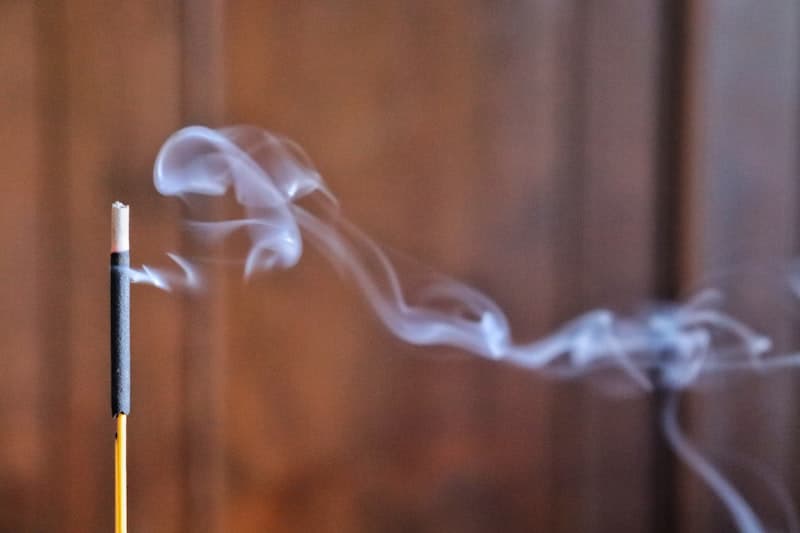
The most common form. A bamboo core coated with a blend of ground aromatics, resins, and binding agents. Easy to use with a simple incense holder.
Cone Incense
Compressed incense in a cone shape that burns without a stick. Produces more smoke and a stronger scent than sticks. Backflow cones create mesmerizing cascading smoke effects.
Resin Incense
Raw tree resins (frankincense, myrrh, copal, dragon's blood) burned on charcoal disks. The most traditional and potent form, used in churches, temples, and ceremonial settings for millennia.
Loose Incense
Dried herbs, flowers, and wood chips burned on charcoal or sprinkled into a fire. Allows for custom blending.
Smudge Bundles
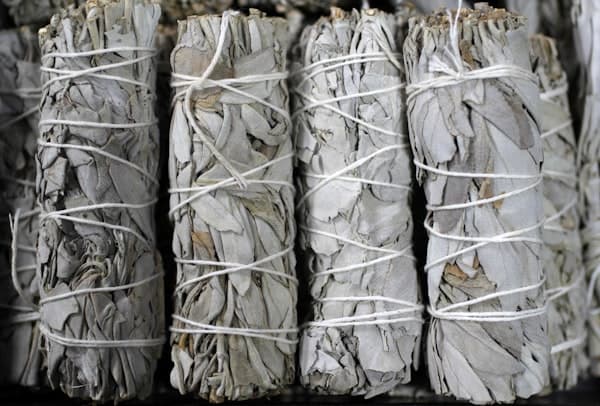
Bundled dried herbs (sage, cedar, sweetgrass) burned for smoke cleansing — a category unto itself.
Choosing by Intention
For Meditation and Mindfulness
- •Sandalwood: The quintessential meditation incense. Its warm, woody, sweet scent promotes deep relaxation and mental clarity. Used in Hindu and Buddhist traditions for thousands of years.
- •Nag Champa: A blend of sandalwood and frangipani flowers. The iconic scent of yoga studios and ashrams worldwide.
- •Frankincense: Deepens breath and slows the mind. Associated with spiritual awakening and connection to the divine.
For Protection and Cleansing
- •Dragon's Blood: A powerful resin for banishing negativity and creating a protective energetic shield.
- •Copal: Sacred in Mesoamerican traditions, copal clears heavy energy and invites in the spirits of light.
- •Myrrh: Often paired with frankincense, myrrh grounds and protects while promoting emotional healing.
For Love and Heart-Opening
- •Rose: Opens the heart chakra and invites love, compassion, and self-acceptance.
- •Jasmine: Attracts love and enhances sensuality. Promotes optimism and emotional warmth.
- •Ylang-Ylang: A sweet floral scent that balances emotions and encourages joy.
For Abundance and Manifestation
- •Cinnamon: A fiery, stimulating scent that attracts prosperity, success, and swift action.
- •Patchouli: Earthy and grounding, patchouli has long been associated with wealth, fertility, and manifestation.
- •Bay Leaf: Traditionally burned to manifest wishes and attract good fortune.
For Sleep and Relaxation
- •Lavender: The universal scent of calm. Promotes restful sleep and reduces anxiety.
- •Chamomile: Gentle and soothing, perfect for winding down before bed.
- •Vanilla: Warm and comforting, vanilla incense creates a cozy, peaceful atmosphere.
For Focus and Clarity
- •Rosemary: Sharpens mental focus and enhances memory. Ideal for study or creative work.
- •Peppermint: Invigorating and energizing. Clears mental fog and promotes alertness.
- •Lemongrass: Fresh and uplifting, great for clearing stagnation and promoting new ideas.
Tips for Burning Incense
- •Ventilation matters. Always burn incense in a well-ventilated space. A cracked window prevents the smoke from becoming overwhelming.
- •Use a proper holder. A fire-safe incense holder or dish catches ash and prevents damage to surfaces.
- •Start with one stick. You can always burn more, but overpowering scent defeats the purpose of a calming practice.
- •Quality matters. Choose natural, handcrafted incense when possible. Synthetic fragrances can contain chemicals that irritate the lungs and lack the energetic properties of natural ingredients.
- •Store properly. Keep incense in a cool, dry place, sealed in bags or containers to preserve their fragrance.
Building an Incense Collection
Start with three to five scents that cover your primary intentions: one for meditation, one for cleansing, one for relaxation, and perhaps one for special rituals. As your practice deepens, you'll naturally gravitate toward specific fragrances and develop your own aromatic vocabulary.
Explore our curated selection of premium incense sticks, cones, resins, and holders in our collections to find the perfect scent for your spiritual practice.

 Guides